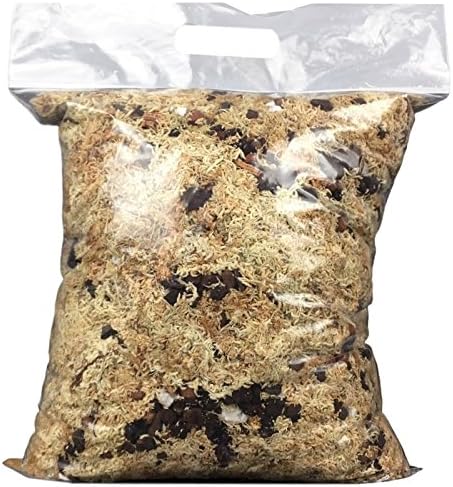
If you’ve landed here because your orchids keep dying between waterings — or because they simply refuse to bloom despite looking perfectly healthy — you are absolutely in the right place. Orchids are epiphytes, which is a fancy way of saying they evolved to grow attached to tree bark and branches in the wild, not buried in soil. Their roots need to breathe. When you pot them in a dense, moisture-retaining mix (the kind most houseplant soil is), the roots suffocate and rot before the plant ever has a chance to flower. The solution isn’t a greener thumb — it’s understanding what’s actually inside your potting bag and why it matters. This guide breaks down bark chunk size, drainage speed, and how your local humidity changes everything about which mix to choose.
| EDITOR'S PICK[rePotme Orchid Fertilizer - Fee…](https://www.amazon.com/dp/B0CN9QX6QH?tag=greenflower20-20) | Mid-tier[rePotme Orchid Potting Mix - Ph…](https://www.amazon.com/dp/B074TYR8CL?tag=greenflower20-20) | Budget pick[Better-Gro Special Orchid Mix -…](https://www.amazon.com/dp/B005OK9KRK?tag=greenflower20-20) | |
|---|---|---|---|
| Form | Liquid | Mix | Mix |
| Moss included | — | ✓ | — |
| Fertilizer | ✓ | — | — |
| Target orchids | — | Phalaenopsis | Phalaenopsis, Cattleyas, Dendrobium |
| Price | $25.95 | $24.95 | $7.37 |
| See on Amazon → | See on Amazon → | See on Amazon → |
Why Epiphyte Roots Are Nothing Like Soil-Plant Roots
Before you buy a single bag of mix, it helps to understand what orchid roots are actually doing. In their native rainforest habitat — the cloud forests of Central America, the monsoon valleys of Southeast Asia, the volcanic slopes of Hawaii — orchids cling to host trees. Their thick, velamen-coated roots (velamen is a spongy outer layer that absorbs water quickly and then releases it slowly) are exposed to air most of the time. Rain drenches them, then they dry out almost completely within hours.
That cycle — saturate, then dry — is the entire engine behind healthy root function and, ultimately, bloom production. The University of Hawaii at Manoa College of Tropical Agriculture and Human Resources notes in its Orchid Production in Hawaii publication that inadequate aeration around the root zone is the single most common cause of orchid decline in humid tropical environments. When you replicate that wet-dry cycle correctly in a container, the plant spends its energy building flower spikes instead of fighting root stress.
The mix in your pot is just a physical scaffold to hold the plant upright while allowing that cycle to happen. The question is which scaffold works best for your specific conditions.
Bark Chunk Size: The Decision That Drives Everything Else
Orchid bark comes in three standard grades: fine (roughly 3–6mm), medium (roughly 6–12mm), and coarse (roughly 12–25mm). Each grade creates a different pore structure, which changes how fast the mix drains, how long it holds moisture, and how much oxygen reaches the roots between waterings. The University of Florida IFAS Extension’s Orchid Culture and Production resource frames the choice this way: match your bark grade to your watering frequency and ambient humidity, not to the orchid genus alone.
Fine bark packs together more tightly, which means slower drainage and longer moisture retention. It mimics the finer debris that accumulates in tree crotches — appropriate for orchids with thinner, less velamen-coated roots like Paphiopedilum (lady’s slipper orchids) or young seedlings that can’t handle aggressive drying cycles. The tradeoff: in a high-humidity environment like coastal Hawaii or a Florida summer greenhouse, fine bark stays wet long enough to invite fungal rot. Growers in those conditions who use fine bark often find themselves fighting Fusarium wilt within a single season.
Medium bark is the category default for a reason. It balances moisture retention with airflow well enough for the most common hobbyist orchids — Phalaenopsis (moth orchids), Dendrobium, and most Cattleya alliance plants. Missouri Botanical Garden’s Orchid Growing Basics guide recommends medium-grade fir bark as the starting point for most growers, with adjustments made based on observed root health after two to three waterings. If roots are staying green (moist) for more than five days in a subtropical environment, the grade is too fine.
Coarse bark drains fast — often within minutes of a thorough watering. It’s the right call for environments with high ambient humidity (above 70% RH year-round), frequent rainfall, or growers who water daily. In Hawaii, especially on the windward sides of Oahu, Maui, or the Big Island where afternoon humidity regularly climbs above 80%, many experienced growers move their Cattleya and Vanda collections almost entirely to coarse bark or mounted culture. The tradeoff is that coarse bark dries out aggressively, which can stress orchids with thinner roots if you miss a watering during a dry spell.
By the Numbers: Bark Grade and Drainage Speed
| Bark Grade | Approximate Chunk Size | Drainage Speed | Best Humidity Range |
|---|---|---|---|
| Fine | 3–6 mm | Slow (holds moisture 5–10 days) | Low–Moderate (40–60% RH) |
| Medium | 6–12 mm | Moderate (dries in 3–5 days) | Moderate (55–75% RH) |
| Coarse | 12–25 mm | Fast (dries in 1–3 days) | High (70–90%+ RH) |
These ranges assume an open-air or screen-sided growing environment. Enclosed homes with air conditioning can drop RH significantly, which shifts every recommendation one grade finer.
What Else Goes Into a Mix — and When You Need to Amend
Pure bark is rarely the complete answer. Fine Gardening’s coverage of potting mixes for epiphytes notes that most commercial orchid mixes blend bark with one or more amendment materials to modify drainage speed, pH buffering, or moisture retention. Here’s where the real practitioner decisions live:
Perlite (white volcanic glass bubbles) is the most common drainage accelerant. It adds airspace without retaining moisture, which is exactly what you want in a humid environment. Adding 10–20% perlite by volume to a medium bark base brings you close to coarse-bark drainage behavior without completely changing your watering schedule. This is the most common modification growers make when moving plants from a dry mainland climate to Hawaii.
Sphagnum moss goes in the opposite direction — it retains water aggressively. It’s useful for Paphiopedilum and Phragmipedium (another slipper orchid genus that prefers slightly more consistent moisture), as well as for propagating divisions. In tropical outdoor conditions above 70% RH, pure sphagnum can stay wet for a week or more, which puts you squarely in rot territory for most Phalaenopsis and Cattleya varieties. The Spruce’s roundup of orchid potting mixes flags this directly — sphagnum is a tool for specific genera and specific climates, not a universal upgrade.
Charcoal (horticultural grade, not barbecue) appears in most commercial tropical orchid blends in small quantities (roughly 10–15%). It’s primarily a pH stabilizer and mild antimicrobial agent, not a structural component. Its drainage contribution is minor. Worth keeping in any custom blend, but not worth obsessing over as a standalone variable.
Lava rock deserves a mention for Hawaii-context growers specifically. Crushed lava rock (often sold in the same nursery sections as cinder mulch) has an extremely porous surface structure that retains trace moisture while draining very quickly. The University of Hawaii CTAHR publication notes that lava rock-based mixes have been used successfully in commercial Dendrobium production on the Big Island precisely because the material mirrors the orchid’s native volcanic substrate. It also adds aesthetic alignment if your broader landscape uses lava rock as a hardscape element.
The Humidity Variable: How Your Climate Should Override Generic Advice
This is the tradeoff most mainland guides underweight: humidity changes the functional behavior of every mix component. A medium bark blend that performs beautifully for a grower in Denver (where RH might average 30–40% indoors) will stay wet two to three times longer for a grower in Hilo, Hawaii, where outdoor RH routinely sits above 80%.
The practical decision rule from the University of Florida IFAS Extension’s orchid production guidance: check your roots, not your calendar. Healthy orchid roots in an aerobic mix should shift from bright green (just after watering) to silvery-white or light tan within two to four days in a tropical outdoor setting. If they’re still green at day five or six, your mix is holding too much moisture for your humidity level — go one bark grade coarser, add 15% perlite, or both.
For mainland growers shipping live orchids from Hawaii-origin nurseries (a common scenario given the collector-quality plumeria and Dendrobium phalaenopsis cultivars shipped by Hawaii specialty growers), the repotting decision on arrival is critical. Plants packed for a humid origin environment are often in fine or medium bark with added moisture-retention material to survive shipping. Arriving in a dry-winter, indoor-heat climate, they may actually need to stay in that mix temporarily rather than being immediately shifted to coarse bark. Give the plant two weeks to settle before repotting, and observe root color after each watering to calibrate before committing to a new mix grade.
Making the Call: If X, Then Y Decision Rules
You’ve absorbed the variables. Here’s how to translate them into a concrete choice:
If you’re growing outdoors in Hawaii (any island, windward side) with daily ambient humidity above 75%: Start with coarse bark, add 15% perlite, skip the sphagnum entirely. Consider lava rock as a partial substitute (up to 25% of total volume) if you want a substrate that ties into your landscape aesthetic. Water when the top of the mix is visually dry — in most cases, every one to two days in summer.
If you’re growing outdoors in Hawaii (leeward side) or in a warm-dry mainland climate (Southern California, Arizona, Nevada): Medium bark with 10% perlite is your baseline. Monitor roots — if they dry out in fewer than two days in summer, add a small sphagnum layer at the center of the pot (not the surface) to slow the cycle slightly for thin-rooted genera.
If you’re growing indoors on the mainland in a centrally air-conditioned home (RH typically 40–55%): Medium bark is correct. Skip coarse entirely unless you’re running a humidifier near your orchid shelf or growing in a greenhouse enclosure.
If you’re potting seedlings, Paphiopedilum, or recently divided plants from any environment: Fine bark with 10% perlite and no added coarse material until the root system establishes — typically six to twelve months after division.
If your plants bloomed once and have produced no new spikes in 18+ months: Rule out potting mix first. Check root color cycling, evaluate whether bark has broken down into a dense, soil-like mass (decomposed bark compacts and mimics soil — replace every 18–24 months regardless of appearance), and assess whether your mix grade matches your current humidity. Only after eliminating root zone issues should you look at light levels or fertilizer as the bloom inhibitor.
The mix you choose isn’t a permanent decision — it’s a season-by-season adjustment based on what your roots are telling you. Get in the habit of checking root color after each watering cycle, and the right grade will become obvious within a month. That single habit, more than any product choice, is what separates growers who reliably get blooms from those who perpetually wonder why their plants look healthy but never flower.