If you’ve landed here wondering whether that anthurium cutting, heliconia offset, or plumeria tip can actually survive the journey from stem to rooted plant — yes, it can, and you’re in the right place. Propagation just means encouraging a piece of a plant to grow its own roots so it becomes a new, independent plant. The two materials at the center of this article — sphagnum moss (a dried, fibrous bog plant that holds moisture like a sponge while staying airy) and coco coir (shredded coconut husk fiber that mimics loose, fast-draining soil) — are the rooting media most consistently recommended for tropical species. Together, they solve the core tension in tropical propagation: cuttings need moisture to stay alive, but wet-heavy soil will rot the stem before roots can form. This article walks through how to choose between these two materials, how to combine them, and how to build the humidity environment that actually gets roots moving.
Why Medium Choice Is the Decision That Matters Most
Once you’ve done a season or two of propagation, you realize the rooting hormone, the cutting angle, and the light placement are all secondary to one thing: is the medium holding just enough moisture without becoming anaerobic? Anaerobic means oxygen-depleted — and an oxygen-depleted rooting zone is where stem rot starts.
This is where sphagnum moss and coco coir earn their reputation with tropical growers. Per the University of Florida IFAS Extension’s guide on tropical foliage plant propagation, the ideal rooting medium for most aroids, gingers, and heliconias maintains 50–70% moisture retention by volume while sustaining airflow through the particle structure. Neither standard potting mix nor pure perlite hits that combination reliably for tropical cuttings.
Sphagnum moss holds up to 20 times its dry weight in water (per Fine Gardening’s coverage of alternative rooting media) while its fibrous structure prevents compaction. The result is a medium that stays damp at the core and breathable at the surface — exactly what a callusing stem tip needs. It’s also naturally antimicrobial, which buys you time if a cutting is slow to root.
Coco coir has a different profile: lower moisture retention than sphagnum, higher structural consistency, and a near-neutral pH (roughly 5.8–6.5 depending on source and washing). The Spruce’s propagation coverage notes that coir is particularly useful when you’re propagating larger-volume batches, because it’s easier to moisten evenly, rehydrates well after partial drying, and doesn’t compact under repeated watering the way peat-based mixes do.
The Core Tradeoff
| Sphagnum Moss | Coco Coir | |
|---|---|---|
| Moisture retention | Very high | Moderate–high |
| Aeration | High (fibrous) | Moderate–high |
| Antimicrobial properties | Yes (naturally) | Minimal |
| pH | Slightly acidic (3.5–4.5 raw) | Near-neutral (5.8–6.5) |
| Best for | Single specimens, slow rooters, rare aroids | Batch propagation, fast rooters, heliconias |
| Rehydration after drying | Slow, uneven | Fast, even |
The pH difference matters more than most intermediate growers initially expect. Raw, unwashed sphagnum moss runs acidic — which suits orchids and some bromeliads but can inhibit root development in pH-sensitive species like anthuriums and bird of paradise. If you’re using sphagnum for anthuriums specifically, a brief rinse and a soak in pH-adjusted water (target 6.0–6.5) before use reduces the risk. The University of Hawaii at Manoa’s CTAHR tropical ornamental production materials flag pH management as one of the most overlooked variables in hobbyist propagation failures.
Building a Humidity Chamber That Works Without Overcomplicating It
Here’s the honest decision frame: if you’re propagating one or two collector specimens — a rare Anthurium warocqueanum cutting you paid $180 for, or a Heliconia caribaea offset — you want a sealed or near-sealed high-humidity environment. If you’re running 10–20 cuttings at a time from a mother plant to build stock, you want ventilated humidity that you can scale.
Option 1: The sealed bag or dome method (small-batch, collector specimens)
Pack lightly moistened sphagnum moss around the cutting’s base node, wrap it loosely, and place it in a clear zip-lock bag or under a propagation dome. Sealed environments can hold relative humidity above 85% without any misting maintenance. Missouri Botanical Garden’s vegetative propagation guidance supports this approach for sensitive tropical cuttings, noting that maintaining high ambient humidity reduces transpiration (water loss through leaves) while roots haven’t yet formed to replace that moisture loss.
The risk: without any air exchange, fungal pressure rises after 10–14 days. If you’re going past two weeks, crack the bag or dome slightly starting around day 10.
Option 2: The ventilated propagation tray with coco coir (batch propagation)
Fill a nursery flat or propagation tray with a 70/30 mix of coco coir and perlite (perlite is a volcanic mineral added to increase drainage and airflow). Insert cuttings, water to settle the medium, and cover with a humidity dome that has adjustable vents. This setup runs at 70–80% humidity rather than 85%+, which is easier to sustain long-term and reduces fungal risk. Fine Gardening’s rooting media coverage recommends this approach specifically for growers propagating multiple cuttings of the same species — you can monitor the batch without disturbing individual cuttings.
By the numbers:
- Target rooting humidity for most tropical aroids and heliconias: 75–90% relative humidity
- Optimal rooting medium temperature (bottom heat): 70–80°F (21–27°C)
- Average rooting timeline in sphagnum: 3–6 weeks for aroids, 4–10 weeks for plumeria
- Average rooting timeline in coco coir blend: 2–5 weeks for heliconias and fast-rooting gingers
Bottom heat — a seedling heat mat placed under the tray — is the single most reliable way to accelerate rooting for tropical species. The University of Florida IFAS Extension’s propagation data for tropical foliage plants shows a clear positive correlation between rooting medium temperature in the 75–80°F range and both rooting speed and success rate across aroid species. If you’re propagating in a mainland climate where ambient temperatures drop below 65°F at night, a heat mat isn’t optional — it’s the deciding variable.
Matching Medium to Species: The Decision Rules
This is where the comparison framework pays off. You don’t want to use the same setup for a plumeria cutting that you’d use for an anthurium node.
Anthurium and aroid cuttings (stem cuttings, node cuttings) Use sphagnum moss, lightly moistened, pH-adjusted to 6.0–6.5. Wrap or loosely pack around the node. Sealed humidity environment. Bottom heat at 75°F. Reason: aroids are slow rooters that need consistent moisture contact at the node but are highly susceptible to bacterial rot if the medium is waterlogged. Sphagnum’s antimicrobial properties are an active asset here.
Heliconia divisions and rhizome offsets Use a coco coir and perlite blend (70/30). Ventilated dome, moderate humidity (70–80%). No sealing needed — heliconias root aggressively once the rhizome is settled and will push through more forgiving medium. Per CTAHR’s tropical ornamental production resources, heliconia rhizome divisions benefit from a slightly drier medium than aroid cuttings, as excess moisture at the rhizome node can trigger basal rot before shoot emergence.
Plumeria tip cuttings This is the counterintuitive one: plumeria cuttings need to callus (form a dry, hardened layer over the cut end) before any moisture contact. Lay the cutting in a dry, shaded spot for 7–10 days before placing it in rooting medium. Then use a very lightly moistened coco coir blend — not sphagnum, which holds too much moisture for plumeria’s drought-adapted stem tissue. The Spruce’s propagation guidance specifically notes that plumeria cuttings placed directly into moist medium without callusing have significantly lower success rates, a finding consistent with what specialty Hawaii-origin nurseries routinely communicate to customers receiving shipped cuttings.
Rare gingers (Zingiber, Alpinia, Hedychium rhizomes) Coco coir blend, warm conditions, ventilated humidity. Gingers are fast rooters that don’t need the intensive humidity management aroids do — they need warmth more than moisture precision. Bottom heat at 78–80°F is the leverage point.
The Products Worth Having (and the Math Behind Choosing)
A few product categories come up consistently when serious propagators compare setups.
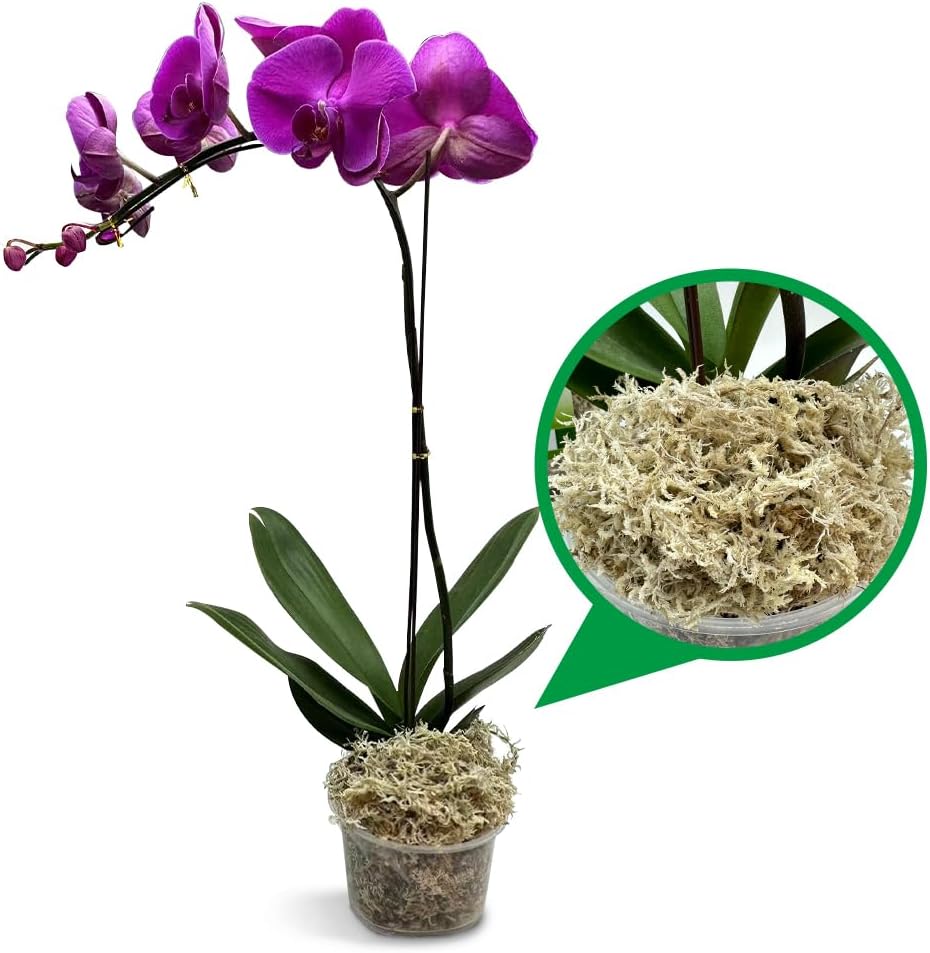
Sphagnum moss: Look for long-fiber, sustainably sourced sphagnum marketed specifically for orchid and tropical propagation — not the finely shredded “peat moss” sold for general soil amendment. The fiber length matters because it’s what creates the airy structure. Growers across review aggregators consistently prefer New Zealand-origin long-fiber sphagnum over shorter-cut Asian-origin product for node wrapping and air layering specifically because of its structural integrity when wet.
[PRODUCT: long-fiber sphagnum moss propagation pack — TIER: mid]
Coco coir bricks or loose coir: Compressed coco coir bricks are the most cost-efficient format — a single brick typically expands to 8–10 liters of usable medium, enough for a full propagation flat. Reviewers across horticultural supply platforms consistently note that triple-washed, low-salt coir performs better for cuttings than unwashed product, which can run high-sodium and interfere with root development.
[PRODUCT: triple-washed coco coir brick propagation medium — TIER: budget]
Propagation dome with adjustable vents: A 7-inch dome over a standard 1020 flat is the baseline. Reviewers consistently flag adjustable vent domes as meaningfully better than fixed-vent or sealed versions because they let you dial humidity down as cuttings start to root and need to acclimate to ambient conditions.
[PRODUCT: propagation dome with adjustable humidity vents — TIER: mid]
Seedling heat mat: A single-zone mat sized for a 1020 flat runs $25–$45 at most garden supply retailers. Thermostat-controlled mats (which hold temperature to within 2°F) run $60–$90 but are worth it if you’re propagating temperature-sensitive collector specimens where a cold spike overnight could end a $200+ cutting.
[PRODUCT: thermostat-controlled seedling heat mat for propagation — TIER: mid]
The Clear Decision Rule
If you’re working with one to three collector-grade specimens — a rare anthurium node, a premium plumeria cultivar cutting shipped from a Hawaii-origin nursery, or a prized ginger rhizome — use sphagnum moss in a sealed or near-sealed humidity chamber with bottom heat. The investment in time and material precision is proportional to what you paid for the cutting.
If you’re propagating in batches of five or more — building heliconia stock, rooting divisions of a vigorous bird of paradise, or multiplying a productive ginger — use a coco coir and perlite blend in a ventilated dome setup. You’ll get more consistent results across the batch with less per-cutting intervention.
The growers who struggle in the intermediate phase are usually trying to run one protocol for everything. Sphagnum and coco coir aren’t interchangeable — they solve different problems. Once you’ve matched medium to species and built even a basic humidity enclosure with bottom heat, the failure rate drops sharply. The rooting itself is straightforward biology; the setup is just giving that biology the conditions it already knows how to use.